

Introduction
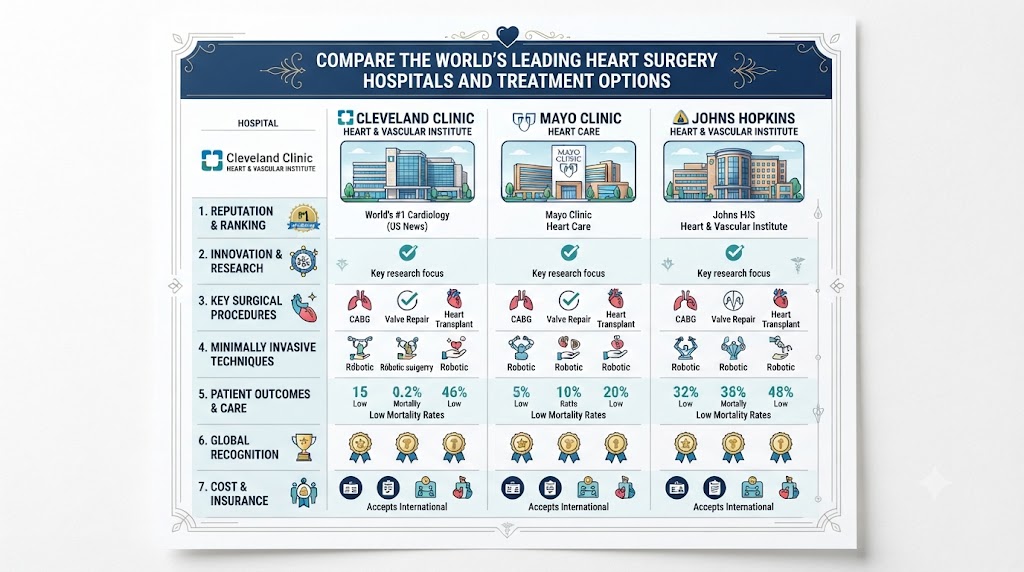
Cardiac surgery represents a pinnacle of modern medical intervention. Whether addressing ischemic heart disease through coronary artery bypass grafting (CABG) or performing complex valve repairs, the margin for error is minimal. For patients, navigating the overwhelming amount of information to find the right care can be daunting. The goal of this article is to provide an evidence-based roadmap for assessing healthcare facilities. By understanding the intersection of advanced engineering, clinical precision, and patient-centered care, stakeholders can make informed decisions that prioritize safety and long-term health outcomes.
Why Choosing the Right Heart Surgery Hospital Matters
The difference between a standard hospital and a top-tier cardiac center often lies in the “system of care.” Cardiac surgery is not merely about the surgeon’s skill; it is about the cohesive functioning of a multidisciplinary team.
- Patient Safety: High-volume centers often demonstrate lower complication rates due to standardized safety protocols.
- Clinical Outcomes: Consistent performance in mortality and morbidity metrics is the primary indicator of quality.
- Multidisciplinary Care: Modern cardiac treatment requires a synergistic approach between cardiologists, anesthesiologists, perfusionists, and critical care specialists.
“A superior surgical outcome is a byproduct of institutional excellence, where every link in the chain—from preoperative imaging to postoperative rehabilitation—is optimized for patient recovery.”
What Defines the Best Heart Surgery Hospitals?
Identifying the best heart surgery hospitals requires looking beyond marketing materials. An objective evaluation should focus on specific technical and operational pillars.
Core Infrastructure
- Cardiac ICU (CICU): Must be equipped with advanced hemodynamic monitoring and organ support systems.
- Hybrid Operating Rooms: These allow for the transition from minimally invasive endovascular procedures to open surgery without moving the patient, significantly improving safety in complex cases.
- Advanced Imaging: Access to high-resolution intraoperative transesophageal echocardiography (TEE) and 3D angiography.
Quality Markers
- Accreditation: Look for JCI (Joint Commission International) or equivalent national board certifications.
- Infection Control: Strict adherence to sterile environments and evidence-based surgical site infection (SSI) reduction protocols.
- Emergency Response: 24/7 availability of specialized cardiac surgical teams to handle intraoperative or postoperative complications.
Evaluating the Best Heart Surgeons in the World
The “best” surgeon is not determined by popularity but by clinical data and training. When evaluating a cardiothoracic surgeon, consider the following parameters:
- Surgical Volume: High-volume surgeons typically have better outcomes for specific complex procedures.
- Board Certification: Verify credentials through the relevant national medical board.
- Specialization: Cardiac surgery is sub-specialized. Ensure the surgeon has specific expertise in the required procedure (e.g., pediatric repair vs. adult robotic valve replacement).
- Research Contributions: Surgeons who contribute to peer-reviewed literature and clinical trials are often at the cutting edge of surgical technique.
The Landscape of Heart Surgery in India
India has emerged as a global hub for cardiac care, balancing high-quality clinical outcomes with advanced technology. Heart surgery in India is characterized by the presence of large-scale, private tertiary care institutions that cater to a global patient population.
Why India is a Significant Destination
- Clinical Volume: Indian surgeons often handle a higher volume of diverse cases, contributing to deep, hands-on experience.
- Modern Technology: Leading hospitals in India utilize the same robotic systems (like the Da Vinci Surgical System) found in North America and Europe.
- Cost-Efficiency: The cost-to-quality ratio is highly competitive, driven by optimized hospital operational workflows.
Understanding Heart Surgery Cost in India
Patients often investigate heart surgery cost in India due to the transparency and affordability of high-quality care. It is essential to recognize that “cost” includes several variables beyond the surgical fee.
| Component | Description |
| Diagnostics | Pre-op imaging (Angiogram, Echo, Cardiac CT) |
| Surgical Fee | Surgeon and surgical team honorarium |
| Hospital Stay | ICU days followed by ward recovery |
| Implants | Cost of valves, stents, or grafts |
| Post-op Care | Medications, rehab, and follow-up visits |
Note: Costs are estimates and vary based on the specific hospital tier and patient clinical complexity.
Bypass Surgery and Valve Replacement Costs
Bypass Surgery (CABG)
Bypass surgery cost in India depends on whether the procedure is performed “on-pump” (with a heart-lung machine) or “off-pump” (beating heart surgery). Off-pump surgery may reduce the risk of certain complications but requires a highly skilled surgical team.
Heart Valve Replacement
The heart valve replacement surgery cost in India is heavily influenced by the choice of the valve (mechanical vs. biological/tissue). TAVR (Transcatheter Aortic Valve Replacement), a minimally invasive alternative for high-risk patients, carries a higher hardware cost but shorter hospital recovery time.
Key Considerations for Specialized Cardiac Procedures
Best Hospitals for Minimally Invasive Heart Surgery
Minimally invasive approaches result in smaller incisions, less pain, and faster recovery. Look for hospitals that regularly publish their success rates for thoracoscopic or robot-assisted procedures.
Best Hospitals for Pediatric Cardiac Surgery
Pediatric cardiac care requires specialized infrastructure, including neonatal ICUs and surgeons with specific fellowship training in congenital heart defects. Family-centered care models are a strong indicator of a high-quality pediatric center.
Medical Tourism for Cardiac Care: Strategic Planning
For international patients, medical tourism involves more than just selecting a hospital. It involves logistics that support clinical success.
- International Patient Departments (IPD): These units provide essential services, including visa assistance, airport transfers, and language interpretation.
- Recovery Planning: Never underestimate the need for post-surgical follow-up. Ensure your home cardiologist is involved in the pre-travel discussion to plan for continuity of care.
- Resource Coordination: Educational portals like BestHeartSurgery.com serve as excellent starting points for understanding the breadth of procedures and facility comparisons.
The Future of Cardiac Surgery: Innovation and Tech
The integration of technology is rapidly altering the landscape of cardiac surgery.
- Robotic Heart Surgery: Increasing precision and reducing tissue trauma.
- AI-Assisted Diagnostics: Predictive analytics for identifying patients at risk of postoperative atrial fibrillation or graft failure.
- 3D Surgical Planning: Using patient-specific models to plan complex repairs before the first incision is made.
- Remote Monitoring: Wearable devices that track heart health post-discharge, allowing for real-time adjustments in medication.
Frequently Asked Questions (FAQs)
- How do I verify a hospital’s accreditation? Check the JCI website or the national accreditation board website for the specific country.
- Is heart surgery in India as safe as in my home country? Many top-tier hospitals in India meet or exceed international safety standards. Always evaluate individual institutional data.
- What is the recovery time for bypass surgery? Typically 6 to 12 weeks, depending on the surgical approach (minimally invasive vs. traditional).
- Can I communicate with the surgeon before I travel? Yes, most reputable hospitals offer video consultations to discuss the surgical plan.
- Do I need a local cardiologist after my surgery? Absolutely. Continuity of care is vital for long-term health.
- What does “off-pump” bypass mean? It means surgery is performed on a beating heart, eliminating the need for a heart-lung machine.
- What are the risks of robotic heart surgery? Like any surgery, it involves risks; however, it often results in less blood loss and faster recovery.
- How does the hospital cost compare if I have complications? Always clarify the hospital’s policy on extra ICU days or unplanned interventions before signing a treatment agreement.
- Are pediatric and adult cardiac surgeries performed in the same facility? Often, yes, but they should have dedicated pediatric surgical suites and staff.
- How do I assess a surgeon’s clinical outcome data? Ask the hospital for their annual surgical volume and, where available, their success rates for your specific condition.
Key Takeaways
- Research is Mandatory: Never rely on marketing. Always verify accreditations and surgeon experience.
- Technology Matters: Choose facilities that invest in robotic systems and hybrid operating rooms.
- Cost Transparency: Obtain a detailed, itemized quote that includes potential variables.
- Continuity of Care: Plan your recovery with both your local physician and the surgical team.
Conclusion
Choosing the right facility for cardiac surgery is a complex process that demands careful research and professional guidance. Whether you are considering heart surgery in India or local options, prioritize institutions that provide transparent data, maintain strict accreditation, and foster a multidisciplinary approach to patient care. Remember, the ultimate goal is not just the success of the surgery, but a safe, sustainable, and high-quality recovery. Always consult with your primary cardiologist to discuss your specific needs and review all options thoroughly before making a decision.