

Introduction
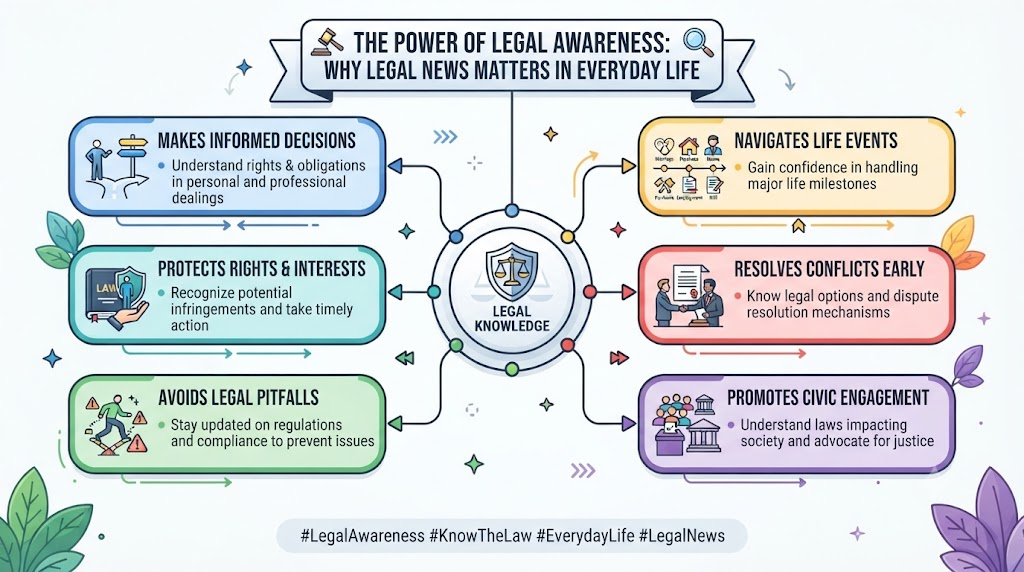
Laws shape the framework of daily life in India. Every citizen interacts with legal rules through work, buying goods, or renting homes. However, many people view the legal system as complex and distant. Staying informed about legal developments helps bridge this gap. Legal news provides timely updates on rules, rights, and court decisions. Platforms like Wakilsahab.in make it easier to explore legal information and understand public updates. When people follow legal news regularly, they build practical awareness. This knowledge protects them from common pitfalls and empowers them to make confident choices. Understanding legal changes helps build a transparent and legally literate society for everyone.
Understanding Legal News in India
What Legal News Actually Means
Legal news covers reporting and analysis of events arising within the judicial and legislative systems. It goes beyond sensational crime stories or courtroom drama. It focuses on substantive developments that affect public rules and civic duties. Readers learn how laws evolve through parliamentary action and judicial interpretation. This information transforms abstract statutes into understandable public knowledge.
Types of Updates Included
A robust legal news beat includes multiple distinct categories of information. It features summaries of newly enacted legislation and administrative amendments. It highlights significant rulings delivered by the Supreme Court of India and various High Courts. It also covers important tribunal orders, government notifications, and public policy changes. Keeping track of these categories ensures that citizens stay updated on changing regulatory environments.
News Reports Versus Full Judgments
It is essential to understand the difference between news reporting and primary legal texts. A news report summarizes a complex judgment or legislative bill for general readers. It highlights key takeaways and practical consequences. However, a news summary does not replace the official court judgment or statutory notification. Readers dealing with specific legal issues must always review original documents or consult professionals.
Why Legal News Matters in Everyday Life
Impact on Daily Activities
Laws and legal decisions influence ordinary activities more than most people realize. Rules govern employment contracts, residential leases, and consumer purchases. When courts issue rulings on service charges, tenant rights, or digital privacy, these decisions alter everyday transactions. Following legal news helps citizens anticipate changes in their operational environment.
General Importance Versus Specific Impact
Not every legal development affects every citizen in the same way. Some updates apply exclusively to specific industries, government sectors, or geographic regions. Other judgments have nationwide importance because they interpret fundamental constitutional rights. Readers should evaluate how specific legal news applies to their personal circumstances. Distinguishing between broad policy changes and narrow rulings prevents unnecessary panic or confusion.
Avoiding Overgeneralization
A common error is assuming that a reported court order instantly changes the law across the entire country. Legal effects depend heavily on jurisdiction, specific statutory provisions, and bench sizes. A High Court ruling in one state may not bind courts in another state. Readers must maintain a balanced perspective when reviewing legal headlines.
Understanding Citizens Rights and Responsibilities
Learning Rights and Duties
The Indian Constitution and statutory laws grant numerous rights to citizens. At the same time, they impose corresponding duties and responsibilities. Legal news acts as an educational tool for learning about these rights. It highlights consumer protection standards, workplace safety rules, and anti-discrimination provisions. Knowing these details helps individuals recognize when their rights are respected or violated.
Distinguishing Legal Categories
Legal systems categorize rights into constitutional rights, statutory rights, and contractual agreements. Fundamental rights flow directly from the Constitution and enjoy high protection. Statutory rights arise from specific legislative enactments passed by parliament or state assemblies. Understanding these distinctions helps citizens know the appropriate channel for seeking remedies.
Fact-Specific Operation of Rights
Legal rights are rarely absolute or unconditional. The exercise of free speech, property ownership, or business freedom is subject to reasonable restrictions. Applicable laws, statutory exceptions, and specific factual matrices alter how rights operate. Legal news provides context on how courts balance competing interests in specific cases.
The Role of Supreme Court and High Court Judgments
Why Higher Courts Receive Attention
Judgments from the Supreme Court and High Courts attract significant public attention. These courts shape legal interpretation and resolve complex constitutional disputes. Their rulings clarify ambiguous statutes and resolve conflicting decisions from lower judicial tiers. Consequently, higher court rulings guide lower courts and administrative bodies across the nation.
Interpreting Laws and Guiding Application
When statutes contain vague language, higher courts provide authoritative interpretations. These interpretations establish legal precedents that influence future cases. Legal news reports these judicial interpretations so that citizens understand how laws are applied in practice. This transparency ensures predictable enforcement of legal standards.
Understanding Binding Directions
Readers must distinguish between a final binding direction and a passing judicial observation. Judges often make oral observations during courtroom arguments to test lawyers’ arguments. These remarks do not constitute binding law or formal court orders. Reliable legal news clarifies whether a report concerns a final judgment or a preliminary observation.
How Legal News Can Help People Make Better Decisions
Identifying Relevant Questions
Informed citizens ask better questions before entering into legal or financial commitments. Reading legal updates helps individuals recognize potential risks in contracts or agreements. When people understand current legal standards, they review employment terms, lease deeds, and purchase orders more carefully. This proactive approach prevents costly disputes later.
Realistic Everyday Examples
Consider common scenarios such as signing a rental agreement or buying consumer goods online. Legal updates regarding security deposits, tenant eviction rules, or e-commerce refund policies provide useful reference points. Citizens who follow these updates know what clauses to look for in contracts. They understand their recourse if a service provider fails to deliver promised standards.
The Need Qualified Advice
While legal news improves general awareness, it cannot substitute for formal legal counsel. Every dispute involves unique facts, documents, and procedural timelines. Relying solely on news summaries for active litigation or complex transactions is risky. Readers should treat legal news as educational background and seek qualified professionals for tailored advice.
Legal News and Consumer Protection
Protecting Everyday Buyers
Consumer markets involve daily interactions between individual buyers and corporate sellers. Legal developments in consumer protection law safeguard buyers from unfair trade practices. News reports highlight orders issued by consumer forums regarding misleading advertisements, defective goods, and hidden charges. This awareness empowers consumers to demand fair treatment.
Common Consumer Issues
Consumer disputes frequently involve delayed deliveries, defective electronics, fraudulent online transactions, and deficient services. Legal updates explain how consumer commissions evaluate these grievances. They outline the procedural steps required to file formal complaints before appropriate forums. Understanding these mechanisms helps consumers protect their hard-earned money.
Verifying Laws Before Acting
Consumers must verify relevant statutory provisions before initiating formal complaints. Laws change through amendments, and procedural rules require specific documentation. Checking official consumer helpline portals and statutory guidelines ensures that complaints meet legal requirements. Careful verification saves time and improves the chances of a favorable outcome.
Legal News for Employees and Employers
Navigating Labour Laws
Employment relationships are governed by a complex web of labour legislations and workplace rules. Changes in minimum wage notifications, provident fund rules, and maternity benefits directly affect workers. Employers also need updates on statutory compliance, workplace safety standards, and dispute resolution procedures. Legal news serves as a bridge for sharing these critical regulatory updates.
Workplace Rules and Dispute Decisions
Court rulings on wrongful termination, gratuity calculations, and contractual obligations shape employer-employee dynamics. Legal news reports these decisions objectively, highlighting the legal reasoning applied by courts. Employees learn about acceptable workplace conduct and lawful grievance procedures. Employers learn about compliance requirements to maintain harmonious industrial relations.
Context and Industry Factors
Labour rules vary significantly based on the industry sector, establishment size, and worker classification. A rule applicable to a factory floor may differ from software sector regulations. Legal news reports usually specify these contextual boundaries. Readers must examine whether reported labour updates apply to their specific employment category.
Legal News for Families, Property Owners, and Tenants
Family Matters and Inheritance
Family law covers sensitive areas such as marriage, divorce, maintenance, and property succession. Legislative amendments and landmark judgments in family law affect personal rights and family obligations. Reliable legal reporting covers these topics with sensitivity and accuracy, avoiding sensationalism. Citizens benefit from understanding legal principles governing succession and domestic rights.
Property Ownership and Rental Rules
Property transactions and tenancy agreements involve significant financial stakes. Legal news updates readers on stamp duty revisions, municipal property tax rules, and land acquisition guidelines. For tenants and landlords, reports on rent control acts and eviction procedures offer practical clarity. Understanding these rules prevents unlawful evictions and title disputes.
Respecting Personal Circumstances
Family and property matters depend heavily on personal documents, local customs, and state-specific laws. A legal judgment regarding ancestral property partition may involve specific factual nuances. Readers should recognize that personal circumstances dictate the appropriate legal strategy. Consulting local advocates ensures compliance with regional statutory requirements.
Areas of Daily Life Where Legal News Can Matter (Table 1)
| Life Domain | Type of Legal Development | Why It Matters to Citizens |
| Employment | Minimum wage revisions, tribunal rulings | Helps workers track wage rights and employers ensure compliance. |
| Consumer Matters | E-commerce rules, forum orders on refunds | Protects buyers against fraud and unfair trade practices. |
| Housing & Property | Rent control updates, title dispute rulings | Guides landlords, tenants, and property buyers on legal duties. |
| Family & Succession | Inheritance judgments, maintenance orders | Clarifies personal rights, succession rules, and family obligations. |
| Digital Privacy | Data protection rules, cybercrime penalties | Informs users about online safety and digital rights protection. |
| Small Business | Tax compliance notices, contract regulations | Assists entrepreneurs in maintaining lawful business operations. |
The Importance of Legal News for Students and Young Adults
Building Early Legal Awareness
Young adults entering college or the workforce benefit greatly from early legal literacy. Understanding basic legal rights builds civic responsibility and personal accountability. Legal news introduces students to constitutional principles, democratic institutions, and public governance. This foundational knowledge supports informed citizenship throughout life.
Cyber Safety and Digital Platforms
Young people are primary users of digital platforms, social media, and online financial services. Legal news updates on cyber fraud, data privacy violations, and online harassment are vital for them. Knowing the legal consequences of online defamation, copyright infringement, and digital fraud protects young adults from accidental legal violations.
Developing Healthy Information Habits
Students should cultivate the habit of reading verified legal news rather than consuming unverified social media forwards. Checking authentic sources trains young minds to evaluate evidence objectively. This critical thinking skill is valuable across academic, professional, and personal pursuits.
Legal News and Small Business Owners
Regulatory Compliance for Startups
Small business owners and independent freelancers face numerous regulatory obligations. Keeping track of GST updates, labour compliance, company registration rules, and intellectual property laws is challenging. Legal news provides timely summaries of regulatory changes, helping businesses avoid accidental non-compliance penalties.
Contracts and Business Obligations
Commercial transactions rely heavily on valid written contracts and adherence to trade laws. Judicial rulings on breach of contract, commercial arbitration, and MSME payment protections offer practical insights. Business owners use this information to draft robust agreements and manage commercial disputes effectively.
Seeking Official Guidance
Regulatory updates reported in the news serve as early warning signals for business owners. When a new tax rule or compliance deadline is announced, owners should verify details on official government portals. Consulting chartered accountants or corporate lawyers ensures full compliance with statutory requirements.
How Legal News Supports Public Awareness and Accountability
Understanding Public Institutions
Accurate legal reporting demystifies the functioning of courts, tribunals, and legislative bodies. When citizens understand how public institutions operate, their trust in the rule of law deepens. Legal news explains court procedures, public interest litigations, and legislative debates in accessible language.
Responsible Public Discussion
Informed public discussions strengthen democratic governance. When citizens understand the legal basis of government policies or court verdicts, debates become more constructive. Responsible journalism avoids partisan spin and focuses on verified facts, constitutional principles, and statutory provisions.
Distinguishing Facts from Opinion
Readers must separate objective reporting from editorial commentary and political opinions. Legal news articles should clearly distinguish between what a court decided and what commentators think about the decision. Maintaining this distinction preserves objectivity and promotes genuine legal awareness.
How to Identify Reliable Legal News Sources
Checking Publication Dates and Authors
Assessing the credibility of a legal news source starts with checking basic publishing metadata. Reliable reports display publication dates, author names, and editorial guidelines. Outdated reports can misinform readers about current legal positions, making date verification crucial.
Reviewing Official Sources
Trustworthy legal news articles cite primary sources such as Supreme Court judgment numbers, parliamentary bill titles, or official gazette notifications. Readers can cross-verify claims by visiting official government and court websites. Platforms like Wakilsahab.in provide curated legal updates sourced from verified judicial and legislative records.
Avoiding Exaggerated Headlines
Sensational headlines often exaggerate court rulings to attract online clicks. A headline claiming that a court banned a common activity usually oversimplifies a nuanced judicial order. Readers should look beyond catchy titles and read the full report to understand the actual context.
Reliable Ways to Verify Legal News (Table 2)
| Information Source | What Readers Should Check | How Verification Helps |
| Official Court Websites | Judgment text, case numbers, bench orders | Confirms exact judicial rulings without media distortion. |
| Government Gazettes | Official notifications, statutory amendments | Validates whether a proposed bill has become enacted law. |
| Reputable Legal Portals | Cited authorities, publication dates, context | Provides balanced summaries backed by primary references. |
| Verified News Outlets | Reporter credentials, institutional backing | Ensures reporting adheres to journalistic standards and ethics. |
Common Mistakes People Make While Following Legal News
Relying Only on Headlines
Reading only article titles is a widespread mistake that leads to severe misunderstandings. Headlines condense complex legal matters into a few words, omitting essential conditions and exceptions. Citizens must read the complete text before drawing conclusions or sharing information.
Confusing Observations with Rulings
Mistaking a judge’s verbal query for a final binding order is another common error. Courtroom hearings involve dynamic exchanges where judges test legal arguments from all sides. Only the final written judgment or formal order carries legal authority.
Assuming Universal Application
Assuming that a legal judgment delivered in one specific context applies universally is risky. Legal rules depend on specific facts, statutory provisions, and jurisdictional boundaries. Citizens should verify whether a reported development applies to their particular situation.
Practical Ways to Stay Updated on Legal Developments
Selecting Trustworthy Outlets
Building a sustainable routine for following legal news begins with selecting reliable information providers. Choose platforms that maintain editorial integrity, cite primary sources, and avoid sensationalism. Wakilsahab.in offers structured legal updates designed to keep citizens informed without unnecessary complexity.
Following Relevant Topics
Readers do not need to monitor every branch of law. Focus on topics relevant to personal interests, such as consumer rights, property rules, or employment standards. Filtering information saves time and ensures practical utility.
Creating a Simple Routine
Dedicate a few minutes each week to review legal updates from trusted sources. Save important official notifications or judgment summaries for future reference. Consistent, moderate engagement builds strong legal awareness over time.
Understanding the Limits of Legal News
Awareness Versus Legal Advice
General legal news provides educational awareness but cannot replace professional legal advice. Every individual dispute involves unique facts, specific documentation, and complex procedural rules. News articles offer broad guidance rather than customized solutions.
Why Facts and Jurisdiction Matter
The outcome of any legal matter depends on exact factual details and local jurisdictional laws. A minor variation in facts can alter the applicable legal provision entirely. Readers must remember that news reports cannot account for individual circumstances.
Consulting Qualified Professionals
When facing legal notices, contractual disputes, or court deadlines, citizens must consult qualified advocates. Relying solely on news articles during active legal conflicts can lead to missed deadlines and adverse outcomes. Professional legal representation is essential for protecting individual rights effectively.
How Wakilsahab.in Support Legal Awareness
Access to Structured Legal Information
Wakilsahab.in provides accessible legal content designed to help ordinary citizens understand Indian laws. The platform bridges the gap between complex legal texts and public comprehension. Readers can explore clear summaries of court rulings, legislative changes, and legal rights.
Exploring Legal Guidance Safely
Navigating legal issues often requires connecting with qualified legal professionals. Wakilsahab.in helps users find advocates across India, making legal assistance more accessible. By combining educational articles with lawyer directories, the platform supports informed decision-making.
Building Public Legal Literacy
Empowering citizens with reliable legal information strengthens community resilience and civic participation. Platforms dedicated to legal awareness contribute to a more transparent and law-abiding society. Wakilsahab.in continues to foster legal literacy for everyday citizens across the country.
Frequently Asked Questions
1. Why is legal news important for Indian citizens?
Legal news helps citizens stay informed about changing laws, court rulings, and government policies. This knowledge supports better everyday decision-making, protects consumer and workplace rights, and builds general legal awareness.
2. How can legal news affect everyday life?
Legal news covers updates on rental agreements, consumer complaints, employment rules, and digital safety. Following these updates helps individuals anticipate regulatory changes and handle routine transactions with confidence.
3. Where can I find reliable legal news in India?
Reliable legal news can be found on official court portals, government gazettes, and reputable legal information platforms like Wakilsahab.in. These sources cite primary documents and maintain editorial accuracy.
4. Why should citizens follow Supreme Court judgments?
Supreme Court judgments interpret constitutional provisions and establish binding legal precedents across India. Following these rulings helps citizens understand overarching legal standards that govern public institutions and civic rights.
5. How can I verify whether a legal news report is accurate?
Readers can verify legal news by checking the publication date, author credentials, and citations to original court judgments or government notifications. Cross-checking information on official judicial websites ensures accuracy.
6. Does every court judgment apply to every Indian citizen?
No, court judgments apply based on specific facts, statutory provisions, and jurisdictional boundaries. Some rulings affect specific industries or parties, while others establish broader constitutional principles.
7. Can legal news help people understand their rights?
Yes, legal news highlights constitutional rights, statutory entitlements, and consumer protections. This awareness helps individuals recognize lawful treatment and identify appropriate remedies when rights are breached.
8. What is the difference between a court judgment and a legal opinion?
A court judgment is an official, binding decision delivered by a judge in a formal case. A legal opinion is commentary or professional advice offered by an expert or journalist analyzing a legal issue.
9. Is reading legal news enough to solve a legal problem?
No, reading legal news provides educational awareness but cannot replace professional legal advice. Active legal disputes require customized counsel from qualified advocates based on specific facts and documents.
10. How often should I check legal updates?
Checking legal updates weekly or subscribing to trusted legal digests is sufficient for most citizens. Consistent, moderate engagement keeps readers informed without overwhelming them with daily headlines.
Final Thought
Legal awareness is not just for lawyers and judges; it is a vital tool for every Indian citizen. By staying informed about laws, court rulings, and civic rights, you take control of your daily decisions, protect your family, and strengthen your community. Legal news transforms the law from an intimidating abstract concept into a practical guide for everyday life. Platforms like Wakilsahab.in make this journey simpler by bringing clear, reliable legal information right to your fingertips. Stay curious, stay informed, and let knowledge be your strongest safeguard.